Turo
Data, UX Research, Strategy, Accessibility design, Branding, AI, Conversational design, UI
50 million users
Desktop, mobile web, app
Developed an Agentic AI conversational chatbot for Turo to reduce avoidable support contacts caused by unclear platform information.
The chatbot provides accurate, tailored, and localised self-serve information, adapting responses for guests or hosts.

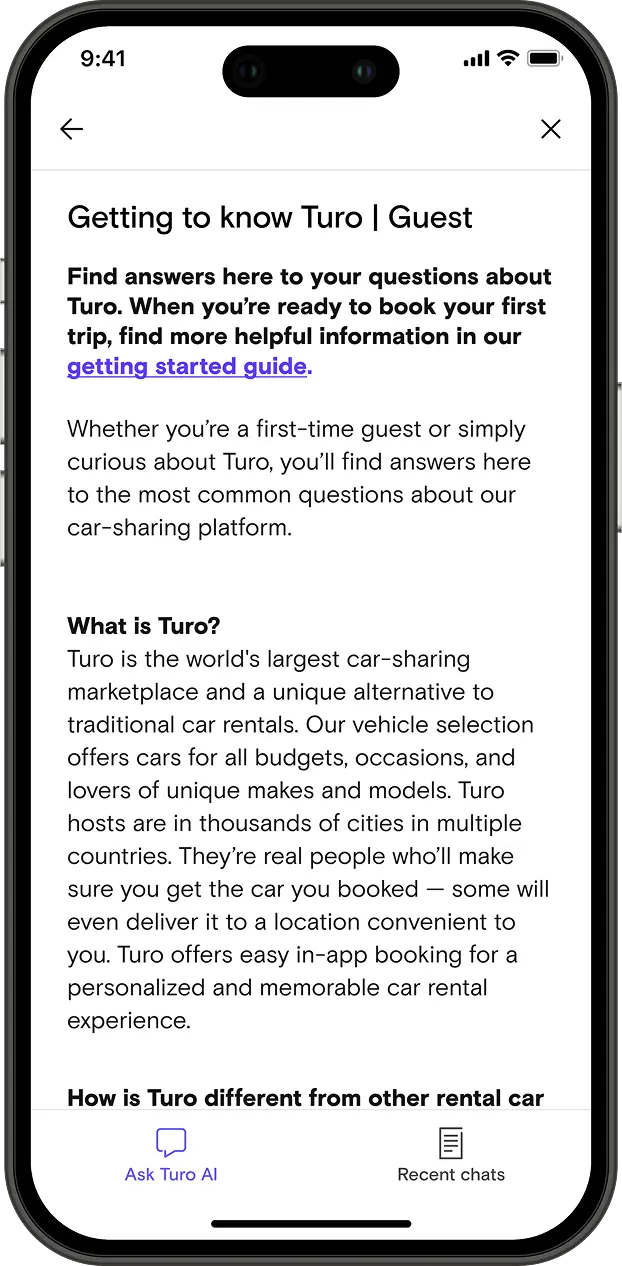
Turo users struggle to find clear information about the platform and its policies, leading to a high volume of avoidable support contacts. Despite a dedicated “How Turo Works” page with 600,000 monthly visits, many users are left with unresolved questions, resulting in pre-trip (21%) and pickup (9%) support interactions. This issue stems from confusing, incomplete, and inaccessible help resources, forcing users to seek assistance elsewhere.
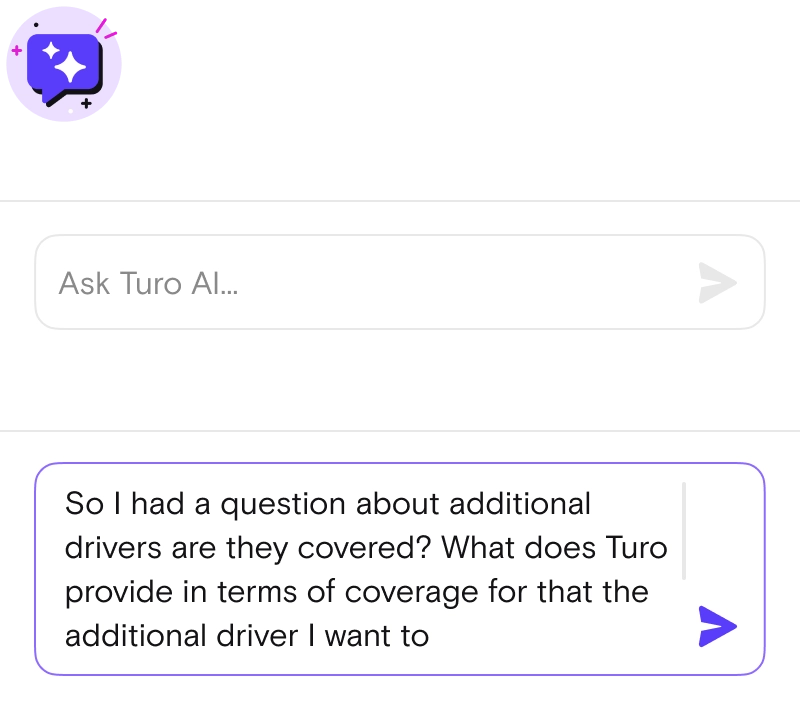
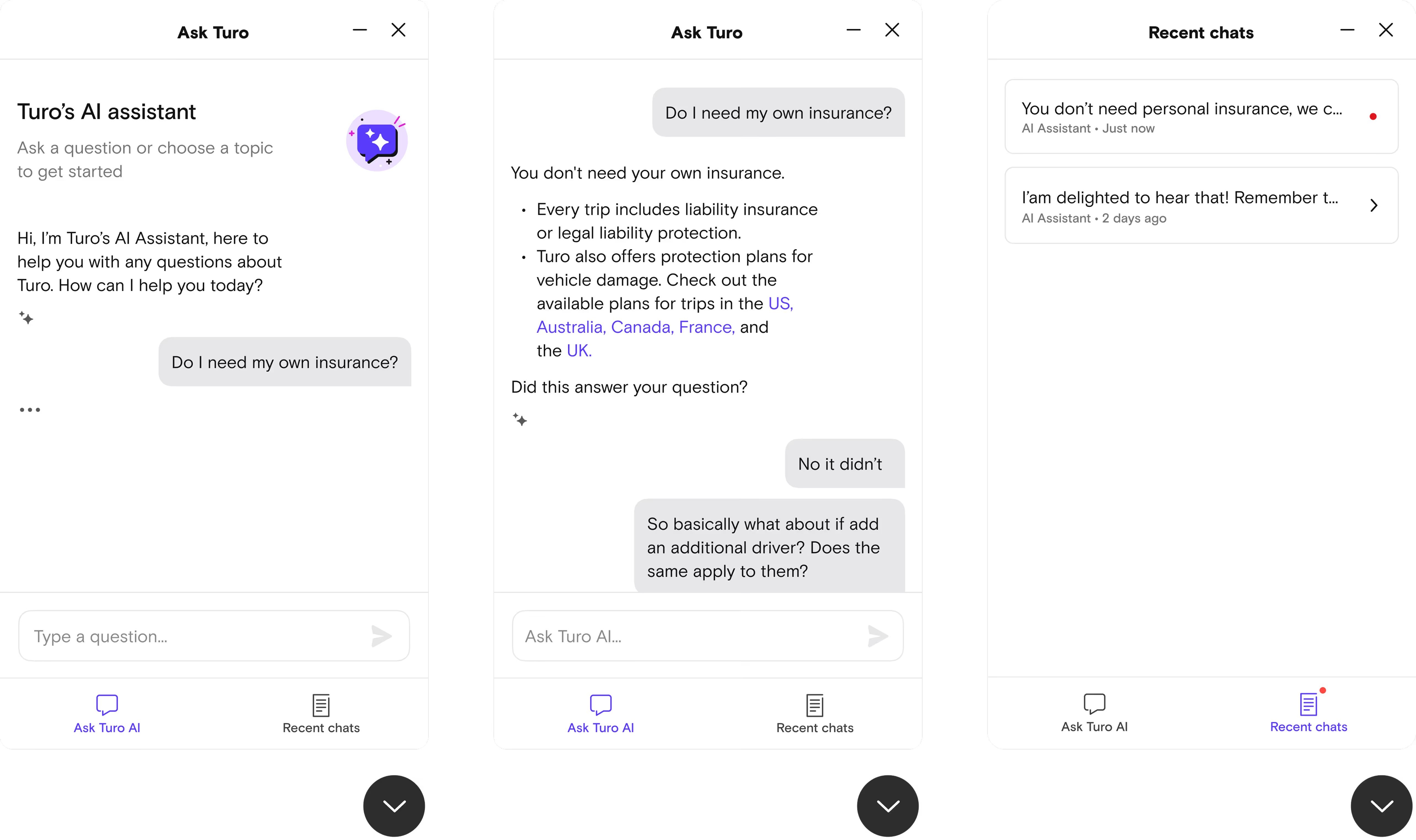
The chatbot analyses queries and provides accurate, tailored responses using a KB and clarification system. It adapts based on user type (guest or host), ensuring that information is relevant to their needs. Responses are generated through various channels, including Help Centre articles and general LLM outputs. It was trained to be localised providing market-specific information is validated to ensure accuracy.
In order to reduce support contacts and provide a more efficient way to access information about Turo, a conversational AI chatbot was developed. The design and development phase of the chatbot necessitated close collaboration across multiple functions, notably involving a Content Designer, dedicated UX research, and rigorous QA efforts.
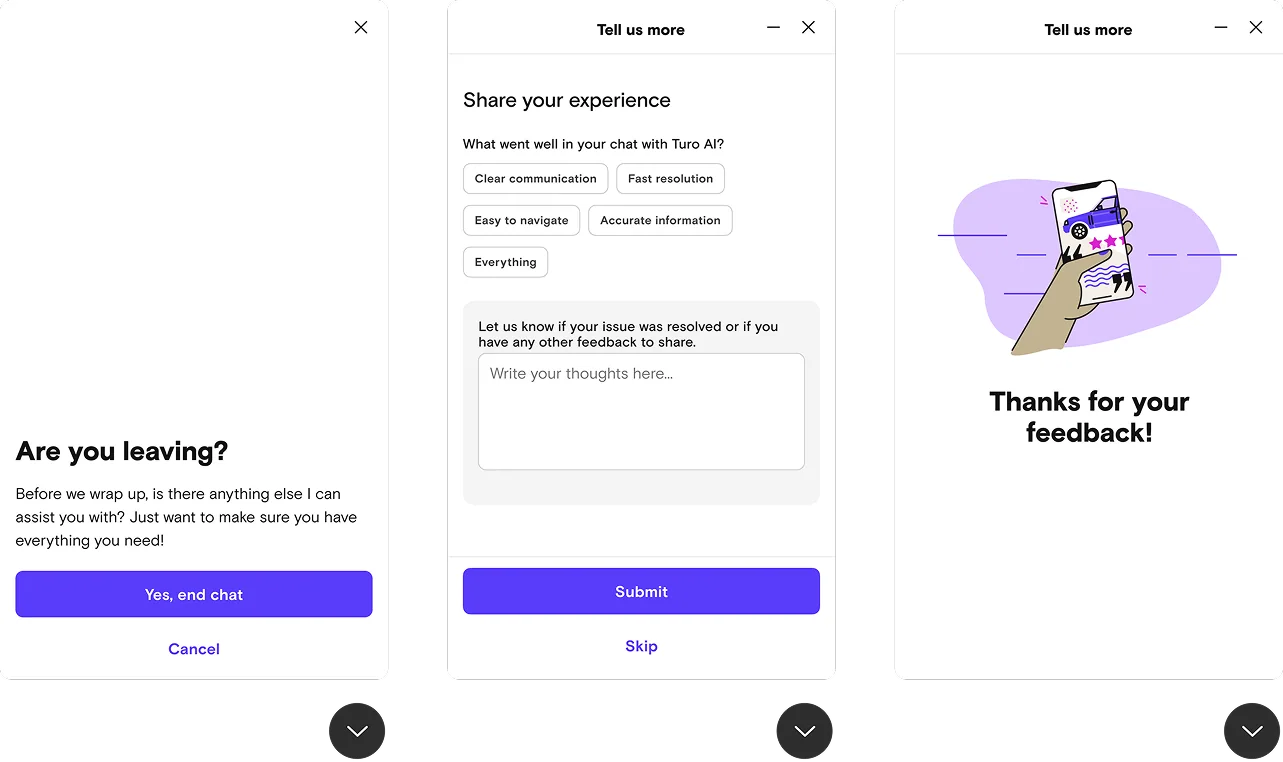
Early in the process, all UX flows were comprehensively documented and categorised by user intent. This allowed the project team to clearly delineate what constituted a self-serve information point versus an escalation issue, subsequently determining the appropriate level of conversational engagement required for a smooth user experience. Concurrently, I partnered with the Brand team to cultivate a distinct Turo AI brand identity and avatar. This visual identity incorporated targeted motion design and micro-interactions to significantly enhance user engagement.
To validate and refine the interface, two key rounds of user testing were executed. A focused usability study involving five participants was conducted to gauge user preferences regarding the chatbot's identity, appearance, messaging accuracy, sentiment detection capabilities, and the utility of pre-determined questions.
Perhaps the most critical and resource-intensive component was the continuous Quality Assurance (QA) and Evaluation process. This required various Domain Experts from across Turo to engage in a cyclical process of meticulously monitoring, maintaining, and refining the chatbot’s responses. This continuous oversight was essential to guarantee accuracy, regulatory compliance, and contextual sensitivity, both preceding and following the launch.
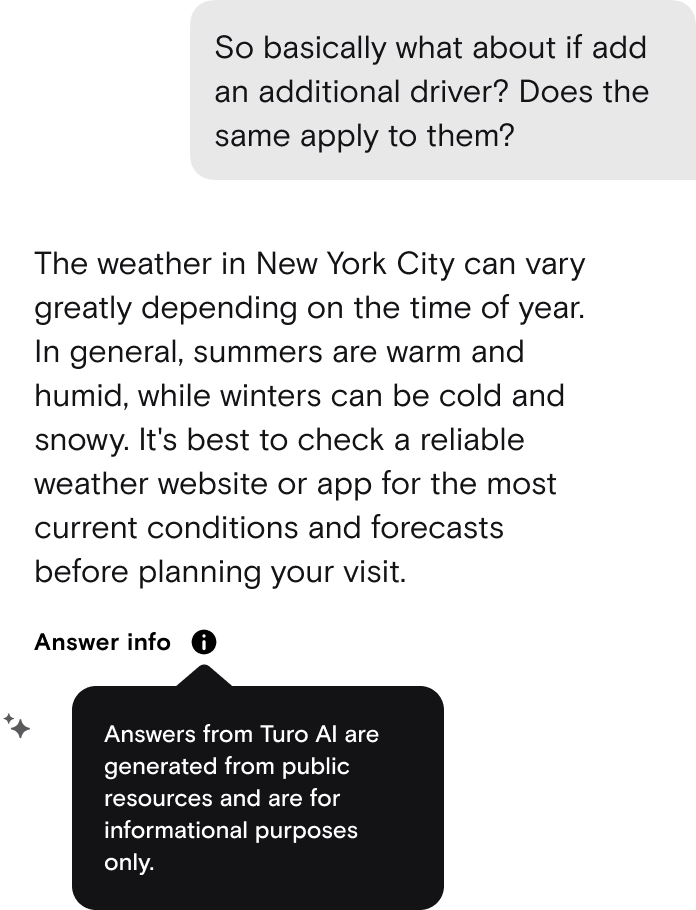
Early results from the chatbot initiative are promising.
- 82% Helpfulness Score, the chatbot is exceeding expectations and handling an average of 2000+ conversations per day, primarily from mobile users (80%).
- 99% Response Rate with 1% Fallback Rate (cases where the bot cannot provide an answer)
- 90% accuracy
- Reducing the Escalation Rate to human agents to 2%
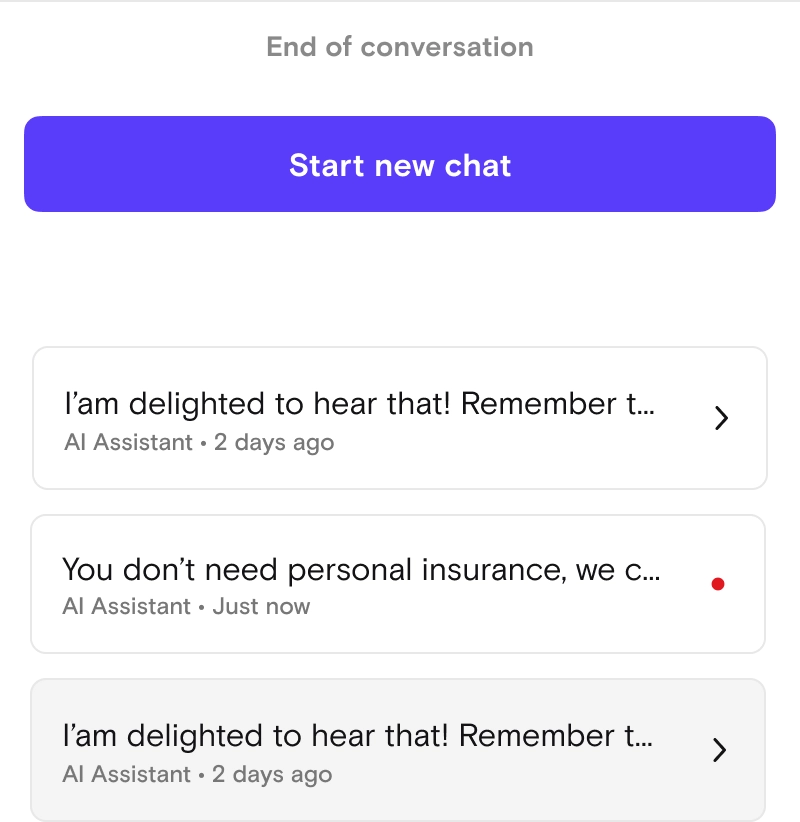
The chatbot is effectively addressing key user needs around booking, insurance, and account requirements, demonstrating its potential to reduce support contacts and improve the user experience for phase 2.
.webp)